Why body care retention works differently
Body care is used every day, by the whole body, often by more than one person in the house. A bar of soap or a jar of body butter runs out on a clock set by how often it is used and by whom. That makes it one of the easiest categories to sell on subscription, and one of the easiest to over-ship.
It is also a sensory purchase, and people need a reason to believe a "simple" product is worth paying more for. Kaori's customers doubted that a soap could do anything about body odour. Penrose's customers doubted that a body butter could hold a scent all day. In both cases the emails that worked were the ones that answered the doubt with proof and a routine before they asked for the sale.
The third difference is the routine. Soap leads to body wash and deodorant, body butter to a second scent.
Reorder timing for soap, body butter and deodorant
Time reorders per product from the pack size and how it is used, then send the reminder about 7 to 10 days before it runs out.
| Product | What sets days of supply | What we store in Klaviyo |
|---|---|---|
| Bar soap | Bar weight, uses per day, people sharing it | Bars bought, household size from a quiz or pop-up |
| Body wash | Bottle size and amount per shower | Bottle size from order data |
| Body butter or lotion | Jar size, daily or after-shower use | Jar size, scent bought |
| Deodorant | Stick or refill size, daily use | Format bought (stick, cream, refill) |
| Gift sets | Not replenished, but the owner may reorder single items | Gift buyer flag, so the recipient gets a different flow |
Multi-packs need their own timing. A customer who bought 3 bars should not get the same reminder as a customer who bought 1. In Loop, the same numbers set the default frequency, and the bigger pack is offered first to households of 2 or more.
Scent, format and the second product
Ask once what the customer likes, save it in Klaviyo, and use it in every email after.
- Scent. Show the scent they bought first, then the closest match. Penrose built most of its campaign calendar around which scent suits which moment: a date, the gym or the office.
- Format. Bar or liquid, stick or cream. A swap email to the other format saves customers who would otherwise cancel over "I don't like the format".
- Concern. Dry skin, odour, sensitivity. This decides which product comes next in the routine.
For Kaori, the deodorant and body wash were introduced as the next steps of the ritual, after weeks of education on why ordinary soap leaves age-related odour behind. The sale came after the reason.
Claims in body care emails
Body care sits close to a few regulatory lines, so we write every claim from the product page and label:
- Soap. In the US, a true soap marketed only for cleaning is regulated by the CPSC. Once it claims to moisturise or deodorise, it is a cosmetic. Once it claims to kill germs or treat a skin condition, it can be a drug.
- Deodorant vs antiperspirant. A deodorant that controls odour is a cosmetic. A product that stops sweat is an antiperspirant, which is an over-the-counter drug in the US. Copy never says a deodorant "stops sweating".
- Skin conditions. "Soothes dry skin" is fine when the product page says it. "Treats eczema" is not, unless the product is sold as a treatment.
- Reviews. Quoted as written, never edited into a stronger claim.
Klaviyo flows that work for body care brands
| Flow | Trigger | What it does in body care |
|---|---|---|
| Welcome series | Pop-up or quiz sign-up | Asks scent, format and main concern, then answers the biggest doubt |
| First-order onboarding | Order delivered | How to use it, when to apply, what to expect in week 1 |
| Replenishment | Order date plus days of supply | Fires 7 to 10 days before the bar or jar runs out, split by pack size |
| Routine cross-sell | Day 21 to 45 | Offers the next step: body wash, deodorant, a second scent |
| Subscription onboarding | First Loop order | Explains skip, swap and frequency so product never piles up |
| Upcoming order and failed payment | Loop events | Reminder before each charge, card update emails and SMS on a decline |
| Cancel flow | Loop cancel page | Reasons in the customer's own words, skip or slower frequency for "too much product" |
| Winback | No order past the expected reorder date | A new scent or format, not just a discount |
| Gift recipient | Gift order flag | A separate welcome for the person who received it |
We run flow A/B tests on these at all times, about 120 across our clients right now, and the first flow is live within 72 hours of starting.
Cancel flows built in Loop
Most body care subscribers who cancel are not unhappy with the product. They have too much of it, or they are not sure it is working. Each reason needs its own answer in the Loop cancel page:
- Too much product. Skip the next order or slow the frequency.
- Not sure it works. Show how it works and when people notice a difference. At Kaori we tested a video against text on the cancel page.
- Too expensive. One clear discount, or a longer gap between orders so the monthly cost drops.
- Want a different scent. A swap, in one click.
Kaori's rebuilt cancel flow saved 60% of subscribers who tried to cancel by October 2026, up from 4.3%. Penrose's, rewritten in customers' own words and tested against the old page, saved 38%, up from 9%.
EK proof for body care
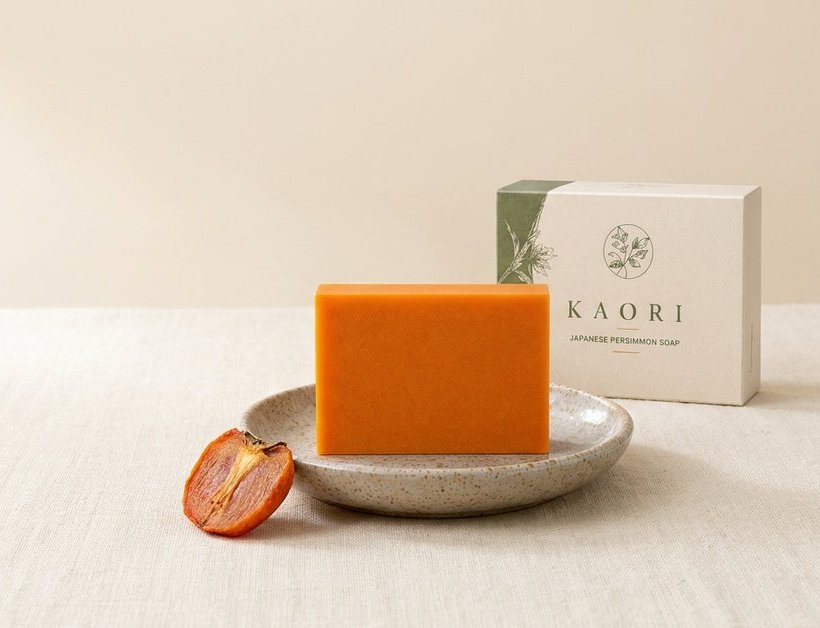
Kaori, Japanese persimmon soap for age-related body odour, on Loop. Case study
- In the 90 days to 10 July, mostly before we started, email made $95,019 of Kaori's $2.86M in store revenue. In the 90 days since, it made $904,203 of $4.76M.
- Email's share of store revenue went from 3.3% to 19%, while store revenue grew 66.6%.
- Cancel flow saves went from 4.3% to 60% by October 2026.
- "Only 1 day left" on the last day of the Fresh Summer Sale made $14,906 from a single send. The education email "How Japan views aging" made $8,607.
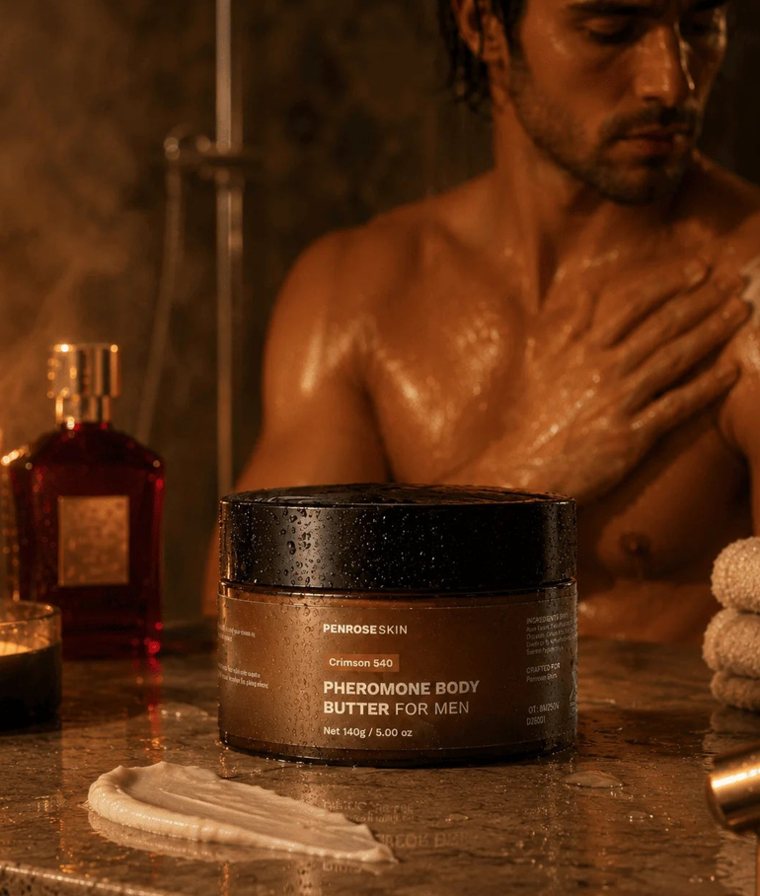
Penrose Skin, men's body butter in designer-inspired scents, on Loop. Case study
- In the 90 days to 11 April 2026, email made $624,570 of $4.10M in store revenue. In the 90 days to 8 October, it made $3.25M of $14.0M.
- Store revenue grew 3.4 times across those windows. Email grew 5.2 times, so its share went from 15.2% to 23.2%.
- "You're applying it at the wrong time", sent on 26 September, made $112,679 from a single send.
- Cancel flow saves went from 9% to 38% by October 2026.
Klaviyo publishes its own body care case studies from brands like BalanceMe and Viori, and generalist agencies such as Sticky Digital work with beauty brands. Ask any of them the same questions below.
What to ask a body care email agency
- Which body care brands do you run now, and what did their cancel save rate do? Ask for before and after, with dates.
- How do you time a reorder for a 3-bar pack vs 1 bar? It should be by pack size and household, not one timer.
- Who writes the cancel page in Loop? The agency should own it, test it and report saves per reason.
- How do you handle soap, deodorant and skin claims? Ask where the line sits between cosmetic and drug.
- What does the second product email look like? It should follow the routine, not a random bestseller.
- How fast is the first flow live? Ours is live in 72 hours.
Related guides
- Retention and Klaviyo agency for skincare brands
- How to design a subscription cancel flow that saves
- Failed payment recovery for Shopify subscriptions
- Loop Subscriptions agency and partner
Book your free Klaviyo check
We will look at your flows, reorder timing and cancel page, and show you where repeat orders slip.
Prefer a written review of your whole Klaviyo account? Get a free Klaviyo audit.